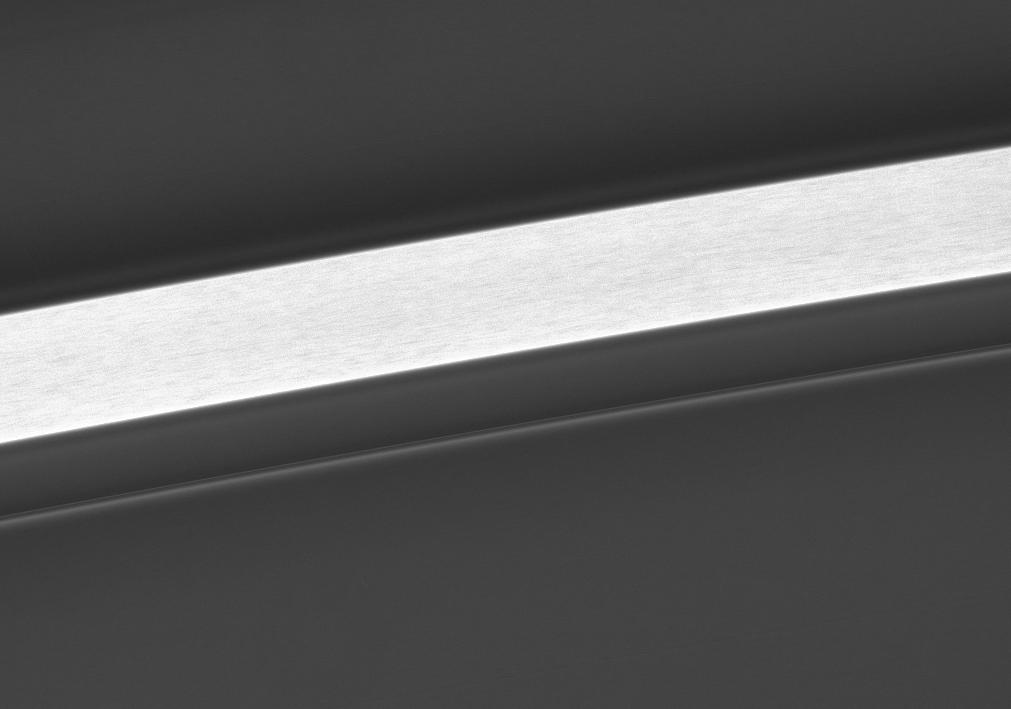
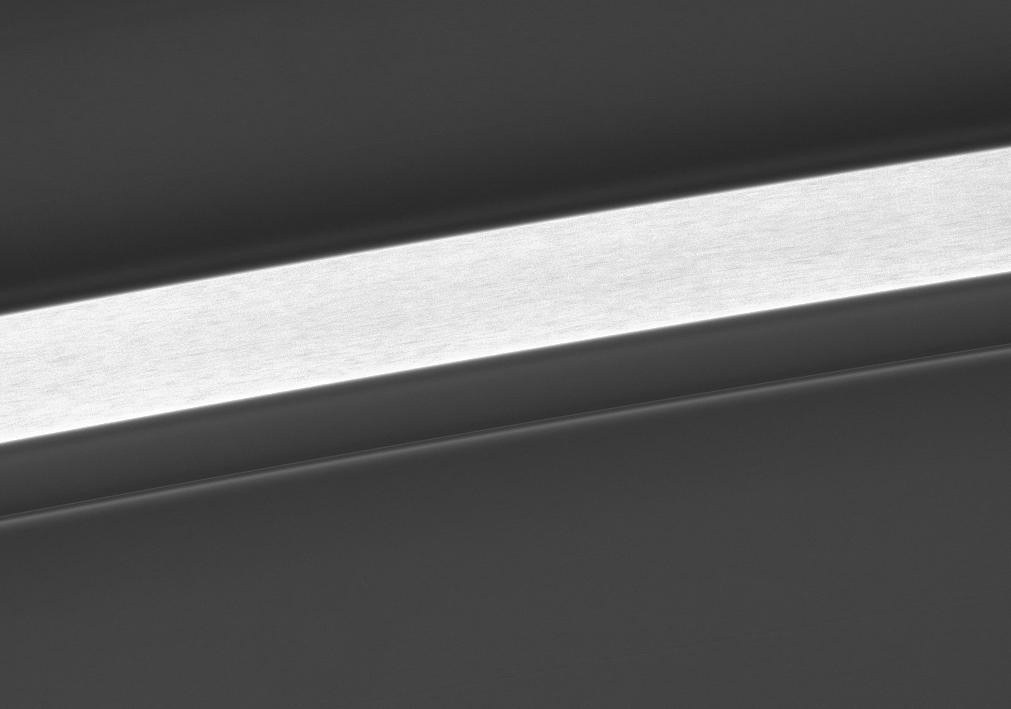
This bright, isolated plateau in the middle of the C ring displays interesting internal variations in brightness. The plateau is not high in terms of elevation, but rather in terms of its particle density (seen here as brightness), which is several times higher than the surrounding ring structure.
Ring scientists are working to understand what produces the sharp boundaries of the plateau features, as well as the nature of the internal variations in brightness.
This view looks toward the sunlit side of the rings from about 18 degrees below the ringplane.
The image was taken in visible light with the Cassini spacecraft narrow-angle camera on June 12, 2007 at a distance of approximately 230,000 kilometers (143,000 miles) from Saturn. Image scale is 1 kilometer (3,353 feet) per pixel.
The Cassini-Huygens mission is a cooperative project of NASA, the European Space Agency and the Italian Space Agency. The Jet Propulsion Laboratory, a division of the California Institute of Technology in Pasadena, manages the mission for NASA's Science Mission Directorate, Washington, D.C. The Cassini orbiter and its two onboard cameras were designed, developed and assembled at JPL. The imaging operations center is based at the Space Science Institute in Boulder, Colo.
For more information about the Cassini-Huygens mission visit http://saturn.jpl.nasa.gov/home/index.cfm. The Cassini imaging team homepage is at http://ciclops.org.